
Diamond Guide
Can you actually tell the difference between a natural and lab-grown diamond just by looking at them?
Place two diamonds side by side — one formed over billions of years beneath the Earth, the other grown in a laboratory in a matter of weeks. To the naked eye, even to a trained one, the answer is almost always the same: you cannot tell.
It is the question we are asked more often than any other, and it deserves an honest answer rather than a sales pitch. Understanding what separates the two is the first step towards choosing well.
Prefer to watch? Press play for the answer in under half a minute — what the two stones share, where they differ, and the question we think matters more.
Video, 0:23Both natural and laboratory-grown diamonds are, quite simply, diamonds. Each is pure carbon arranged in the same crystal structure, with the same hardness, the same brilliance and the same fire. Chemically and structurally, they are essentially identical.
What differs is where they come from. Natural diamonds form deep within the Earth over geological timescales, carried to the surface long before any of us arrived. Lab-grown diamonds are produced in controlled environments, using technology that replicates the conditions in which diamonds form. One is a product of time and nature. The other is a product of science and precision.
Telling them apart is not a matter of looking more closely. It requires specialist equipment — and the paperwork that accompanies a properly graded stone.
Formed deep within the Earth and brought to the surface over geological time.
Carbon, in a diamond crystal structure.
Generally higher, reflecting rarity and the time taken to form.
Established secondary market, with value that has traditionally held better over time.
Grown in a controlled environment that replicates natural diamond-forming conditions.
Carbon, in the same diamond crystal structure.
Generally significantly lower for a comparable size and quality.
A newer market, with more limited and less predictable resale value.
If the stones themselves are so alike, the decision rests on what surrounds them. Price is the most obvious. A lab-grown diamond will typically cost considerably less than a natural stone of comparable size and quality, which can mean a larger or higher-quality diamond within the same budget.
Resale is the quieter consideration, and the one most often overlooked. Natural diamonds have a long-established secondary market. Lab-grown diamonds are a newer category, and their long-term resale value is less certain. Neither is right or wrong — but it is worth knowing which matters more to you before you commit.
Then there is meaning. For some, a diamond that took billions of years to form is the whole point. For others, the appeal lies in modern technology, a lower price, or a different set of values. These are personal reasons, and every one of them is valid.
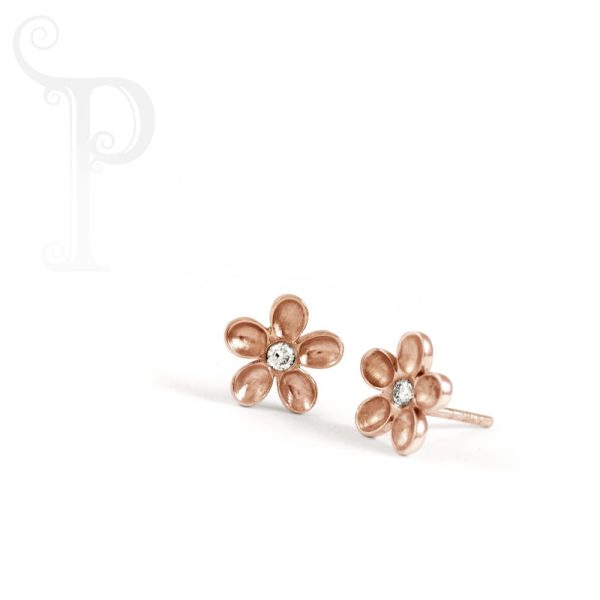
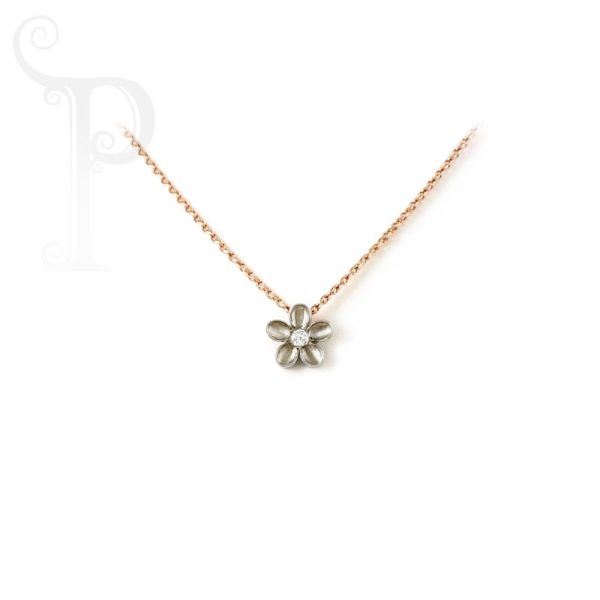
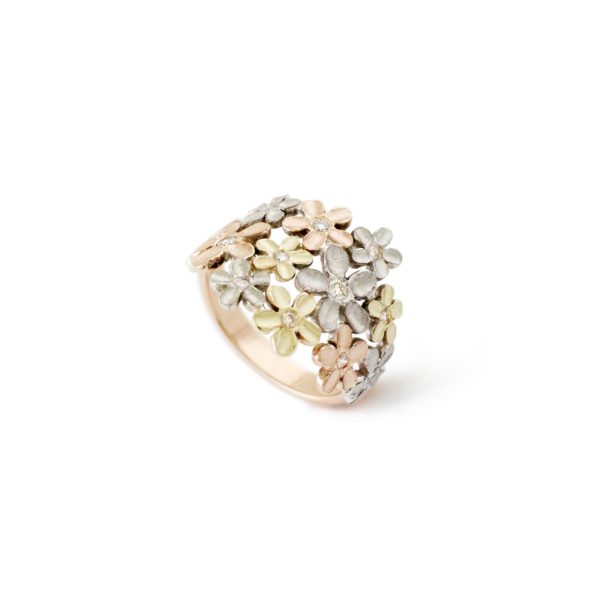
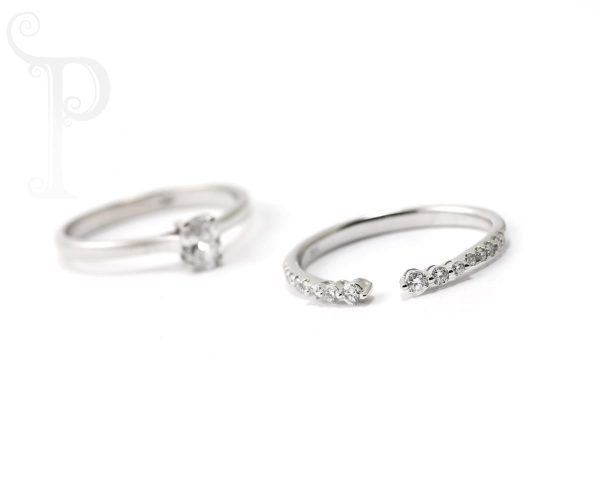
A diamond is only half of the piece. Here are eight favourites from the Penchant collection, from a first diamond to a statement.

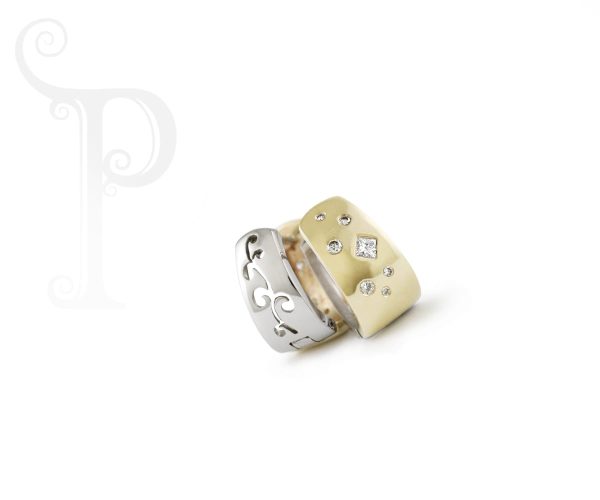

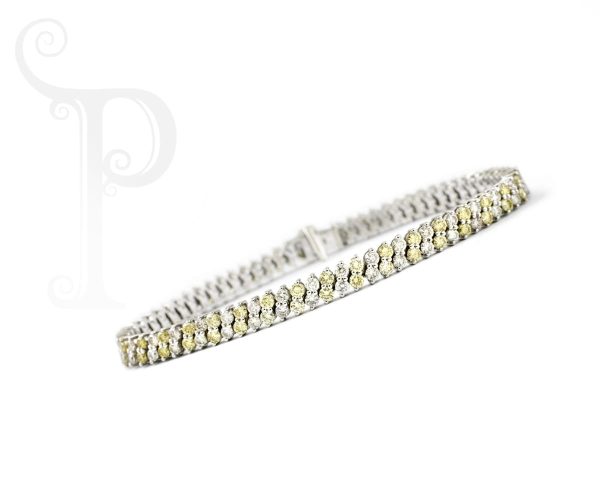
Questions about a stone’s origin or grading? Ask us. We are glad to explain.
Come and talk it through with us — no pressure, no obligation, and no agenda beyond helping you choose well.

Enter your details below to save your shopping cart for later. And, who knows, maybe we will even send you a sweet discount code :)